Pathology 3500
Pathology 3500
Vitamin A
Toxicity and Deficiency

Vitamin A plays many important roles within the body, including maintaining healthy teeth, bones and soft tissue, and skin. It also is an essential mineral that helps to promotes good eyesight, and plays a role in keeping the immune system working. However, when there is too little or too much of this vitamin, it can cause damage to different organ systems and lead to illness.
1
2
Vitamin A Toxicity Symptoms
There are a few hallmark symptoms for vitamin A toxicity, with some common ones being shown below. These tend to include neurological symptoms like irritability, dizziness, and headaches, in addition to nausea, vomiting, and blurred vision.
3
.png)
Vitamin A Deficiency Symptoms
.png)
-
“Night blindness” is a common sign of vitamin A deficiency (nyctalopia), which means that an individual has problems seeing in the dark, but is able to see well in normal lighting.
-
Bitot spots can form, which are foamy spots present in the white part of your eyes).
-
Can get dryness of the cornea (xerophthalmia).
-
Can also get open sores on your corneas (corneal ulcers).
-
Can get drying/clouding of corneas leading to blindness (keratomalacia).
4
4
4
4
4
Pathophysiology of Vitamin A
Vitamin A toxicity is most often caused by consuming high amounts of preformed vitamin A from dietary supplements or animal-based foods.
There are two main sources of vitamin A in the diet:
-
Preformed vitamin A – found in animal-derived foods like egg yolks, butter, chicken, beef, organ meats, fish, fish oils, and fortified products.
-
Provitamin A carotenoids – plant-based pigments (like beta-carotene) found in leafy greens and brightly colored fruits and vegetables such as papayas, sweet potatoes, and carrots.
-
See our slider for some examples of foods that are high in vitamin A!
While excessive intake of preformed vitamin A can increase the risk of toxicity, it’s rare to experience toxicity from carotenoids. This is because the body regulates its conversion to active vitamin A based on its needs, making absorption more variable and controlled.
On the other hand, vitamin A deficiencies tend to be more simply caused by a lack of vitamin A in the diet, which could be due to inadequate consumption of some of the foods listed above! Another possible cause of this deficiency could have to do with high rates of infection, especially by measles and diarrhea.
3
3
3
8



Clinical Evaluation
A range of diagnostic tests can help determine whether vitamin A levels in the body are too high or too low.
Tests for Vitamin A Excess (Toxicity)
Excessive levels of vitamin A can be detected through several clinical assessments, including:
-
Serum Vitamin A Test: Levels above 80 mcg/dL may indicate toxicity
-
Liver Function Tests: Elevated levels of ALT, AST, or ALP may suggest liver inflammation or damage
-
Serum Lipids: High triglyceride levels may be associated with excess vitamin A
-
Blood Count Abnormalities: Conditions like leukocytosis, thrombocytopenia, and anemia can also be linked to vitamin A toxicity
Tests for Vitamin A Deficiency
When a deficiency is suspected, the following tests may be used:
-
Electroretinography (ERG): If night blindness is present, this test evaluates how well the photoreceptor cells in the retina function
-
Serum Retinol Blood Test: This test measures the level of vitamin A in the blood
3
3
3
3
4
4
Secondary Complications
After long term vitamin A deficiency or toxicity that goes untreated, it is possible that there are some secondary complications that might arise as a result of this deficiency. Some possible complications are listed below.
Complications of Vitamin A Deficiency
.png)
Vision loss
After long term vitamin A deficiency, there is a possibility of developing vision loss, or even blindness.
4
.png)
Infertility
Vitamin A plays a role in the maturation of the egg, so when vitamin A deficiency is present, this process is impaired.
4
Respiratory Tract Infections
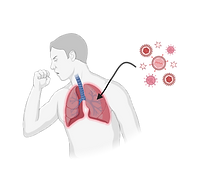
Vitamin A helps maintain the epithelial cells that line the lung. Vitamin A deficiency is associated with a higher risk of respiratory infections.
4
Complications of Vitamin A Excesses

Teratogenic Effects
There can be facial/skull abnormalities in infants, central nervous system malformations, and cardiovascular malformations.
3
.png)
Liver Toxicity
Long-term vitamin A toxicity can lead to liver enlargement, scarring, and damage.
9
.png)
Intracranial Hypertension
Another uncommon consequence of vitamin A toxicity includes increased pressure within the brain, which can eventually lead to loss of vision or migranes.
10
Treatment and Management
For treatment of vitamin A deficiencies and treatments, the course of action would likely depend on the underlying cause of the deficiency or excess. Some possible treatment plans are suggested below.
Vitamin A Deficiency Treatment
-
High-Dose Supplementation: Treatment typically begins with a short course of high-dose vitamin A supplements, followed by a lower maintenance dose as prescribed by a healthcare provider.
-
Dietary Support: For mild deficiencies, increasing intake of vitamin A–rich foods can help restore healthy levels naturally or prevent future deficiencies.
Vitamin A Excess Treatment
-
Reduce Vitamin A Intake: The primary step is to lower or stop consumption of vitamin A supplements and high-dose foods.
-
Adjust Topical Retinoid Use: If toxicity is related to topical retinoids, reducing the amount and frequency of application may help alleviate symptoms.
-
Discontinue Medications: In some cases, it may be necessary to stop vitamin A–based medications under medical supervision.
3
3
3
4
4
Global Impact

Vitamin A deficiency remains a problem around the world. Although this deficiency has been largely eliminated in many regions, there are still relatively high rates of this deficiency that are present in Sub-Saharan Africa and South Asia. Even within these countries, the groups that are most affected include children and pregnant women of a lower socioeconomic status.
Many studies have been done that investigate the prevalence of vitamin A deficiency around the world. One such study found that the degree of prevalence of this deficiency, although decreased in some regions, is far from eradicated.
-
For instance, this study showed that the prevalence of vitamin A deficiency in East Asia, Southeast Asia, and Oceania decreased from 42% in 1991 to only 6% in 2013.
-
However, Sub-Saharan Africa saw a very different trend, with the prevalence increasing from 45% in 1991 to 48% in 2013.
For more information, the figure above can be consulted for additional information on the rates of vitamin A deficiency (VAD) in different countries.
This vitamin deficiency remains a public health concern in many parts around the world. This suggests the need of governments to concentrate on finding sustainable and long-term solutions to resolving these vitamin deficiencies, whether this be through vitamin deficiency awareness campaigns, government subsidies for supplements, or a focus on providing citizens with healthy options for food.
8
11
11
11