Pathology 3500
Pathology 3500
Biotin Deficiency

Introduction
Biotin, also known as Vitamin B7 or Vitamin H, is a water-soluble B vitamin that plays an important role in keeping our bodies running smoothly. This molecule helps us convert the nutrients we eat into usable energy by supporting the enzymes and proteins involved in the metabolism of carbohydrates, fats, and proteins. It is necessary for us to receive a daily supply of this vitamin through food or supplements, given that biotin is not readily stored in our body.
Beyond its metabolic functions, biotin supports healthy skin, hair, and nails, through its involvement in the production of keratin (a structural protein found in skin and hair). Finally, another essential property of biotin is its role in gene regulation. Biotin is heavily involved in the process of histone modification, which dictates which genes are active or inactive, and can have significant downstream effects on bodily functions. It even supports transcription factors, which are proteins that help start or stop the reading of specific genes.
1
2
3
2
4
4


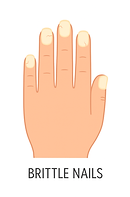


Symptoms

Biotin Physiology
Absorption
Transportation
Storage
Usage
Biotin is mainly absorbed in the jejunum and ileum of the small intestine. In foods, biotin is usually attached to other proteins, so before absorption can occur, an enzyme called biotinidase must first break it free. This enzymatic activity is essential, as the body cannot efficiently absorb biotin from food otherwise. Once free, biotin can be taken up by the intestinal cells and moved into the bloodstream.
Some dietary sources of biotin include cooked eggs, salmon and fatty fish, legumes like soybeans, mushrooms, sweet potatoes, spinach, and avocado.
After absorption, biotin travels through the body by binding to plasma proteins in the blood. This transport system helps deliver biotin to cells and tissues where it’s needed. Because biotin is water-soluble, it is not able to dissolve in fat like other vitamins, so the use of carrier proteins are essential for stable circulation around the body.
Biotin is a water-soluble vitamin, meaning that the body is incapable of storing it within fatty tissue or in cells. Any extra biotin that is consumed is excreted through urine. Some small amounts of biotin are retained, although this is mainly in the liver, muscles, and brain. Because these stores are limited and used up quickly, it is important to get biotin on a daily basis from food or supplements to avoid deficiency.
Biotin functions by activating special enzymes that are involved in the metabolism and breakdown of fats, carbohydrates, and proteins. These enzymes also support key body processes like gluconeogenesis (which is making glucose from scratch after extended periods of fasting), creating healthy fats, and using amino acids from protein.
Without biotin, these enzymes cannot function properly, and the body struggles to produce energy, store fats, and process proteins.
5
5
5
5
2, 5
Clinical Manifestations
Primary Biotin Deficiency (Rare)
Primary biotin deficiencies occurs when a person does not get enough biotin through their diet.
Causes
-
Severe malnutrition
-
Restrictive diets lacking in biotin-rich foods
-
Long-term intravenous (IV) nutrition without biotin
supplementation
At-Risk Groups
-
Infants fed formula that lacks biotin
-
Individuals with alcohol use disorder
-
People with eating disorders or extreme diets
Secondary Biotin Deficiency (More Common)
Secondary deficiencies when, even under conditions where there is enough biotin being consumed, the body can’t absorb or use biotin properly.
Causes
-
Genetic Conditions:
-
Biotinidase Deficiency: A genetic disorder that prevents the body from recycling biotin, due to a lack of the enzyme that is responsible for performing this function.
-
Holocarboxylase Synthetase Deficiency: Prevents biotin from being attached to enzymes that need it to function.
-
-
Digestive Issues:
-
Conditions like inflammatory bowel disease (IBD), celiac disease, or short bowel syndrome can interfere with biotin absorption. The inflammation present in many of these diseases, in combination with a smaller functional surface area that is available for absorption, leads to problems with the absorption of biotin.
-
-
Excess Raw Egg Consumption: Raw egg whites contain avidin, a protein that binds to biotin and blocks its absorption.
-
Long-Term Antibiotic Use: Disrupts the gut microbiota that normally help produce some biotin.
.png)
2
2
2
2
3
3
2
1
1
4
6
Pathophysiology
Biotin deficiency happens when the body doesn't have sufficiently high amounts of the water-soluble vitamin biotin (which can also be referred to as Vitamin B7/Vitamin H) to support normal metabolic processes. Biotin is a coenzyme for five critical carboxylases (pyruvate carboxylase, 3-methylcrotonyl-CoA carboxylase, propionyl-CoA carboxylase, and acetyl-CoA carboxylases 1 and 2) that play essential roles in the metabolism of fats, carbohydrates, and amino acids. Without enough biotin, these enzymes cannot function properly, causing issues like impaired energy production, neurological symptoms, and skin and hair problems.
7
.png)
Secondary Complications
Below, find a list of some secondary complications of biotin deficiency.


Dermatological Issues
Neurological Dysfunction
Immune System Dysfunction
Some of the dermatologic consequences of prolonged biotin deficiency include chronic skin rashes, especially around body openings (such as the mouth, eyes, nose, and genitals), delayed wound healing, and a higher rate of skin infections.
Some cognitive issues associated with biotin deficiency include developmental delays in children, poor concentration, and mental confusion. Many patients are also affected by peripheral neuropathy, a symptom that may cause tingling, numbness, or weakness in the hands and feet. In severe or untreated cases, seizures and loss of coordination may occur.
Reduced biotin impairs immune system function due to biotin's role in the proliferation of immune cells and its suggested role in the production of antibodies (where antibodies are molecules that can identify infectious agents), which increases the risk of bacterial and fungal infections.
7
7
7


Metabolic Disruption
Pregnancy Complications
Biotin is key for enzymes that control fat and sugar metabolism.
Deficiency can lead to imbalances in energy production, increased lactic acid buildup, and conditions like ketolactic acidosis.
Even mild biotin deficiency in pregnancy has been linked to a higher risk of birth defects, including cleft palate, underdeveloped jaw formation, and limb abnormalities.
7
7
Treatment and Management
1. Nutritional Biotin Deficiency
Nutritional biotin deficiency is a form of primary biotin deficiency and is quite rare, but can still happen due to very poor diet, long-term antibiotic use, or the consumption of raw egg whites over the span of a long period (due to a protein called avidin, which blocks biotin absorption).
2. Biotinidase Deficiency (BTD)
Biotinidase deficiency is a genetic condition that prevents the body from recycling biotin, causing a secondary biotin deficiency even with normal dietary intake.
General Treatment Approach
-
Biotin Supplementation: Oral Biotin Supplements are the most common treatment. Doses range from 5 to 20 mg per day in clinical cases.
-
In severe genetic conditions, doses can go up to 100 mg/day, under medical supervision.
-
Symptoms often begin to improve within days to weeks of starting treatment.
-
Dietary Modification: this treatment would be needed for excess raw egg white consumers
-
Avidin in raw egg whites binds biotin and prevents absorption.
-
Cooking eggs deactivates avidin — avoid raw eggs in large amounts.
-
If symptoms are present, dietary correction and supplementation may be needed.
-
Treatment:
-
Biotin supplementation (typically 5–10 mg/day for adults) is effective and safe.
-
Improvements (like stronger nails, hair regrowth, and fewer skin rashes) are often seen within weeks of treatment.
-
No upper limit has been set for biotin intake because it’s generally non-toxic, even in high doses.
Who is at risk?
-
People on restrictive or malnourishing diets
-
Individuals with gastrointestinal disorders (e.g., IBD, celiac disease)
-
Those taking long-term antibiotics or anticonvulsants
-
Alcoholics
Detection:
-
Most developed countries screen newborns for BTD using a simple blood test.
-
In countries without newborn screening, diagnosis relies on recognizing symptoms such as seizures, alopecia, developmental delays, and skin rashes, followed by confirmatory genetic testing.
Types of BTD:
-
Profound BTD: Less than 10% enzyme activity — symptoms appear early and are more severe.
-
Partial BTD: 10–30% enzyme activity — symptoms may appear later or be milder.
Treatment:
-
Lifelong biotin supplementation (usually 5–20 mg/day).
-
When started early, biotin therapy prevents neurological damage, skin issues, and even death.
-
Treatment is safe, effective, and can completely reverse many symptoms if caught in time.
Why early detection matters:
-
Delayed treatment can lead to irreversible effects like hearing loss, developmental delays, or seizures.
-
Genetic testing helps confirm the diagnosis and guides treatment planning.
.png)
.png)
3
3
9
3
3
3
4
4
4
4
10
8
3
3,10
Treatment by At-Risk Group
Infants with Genetic Disorders
-
Biotinidase or Holocarboxylase Synthetase Deficiency
-
Lifelong treatment with high-dose biotin supplements (5–20 mg/day) is required.
-
Early treatment prevents serious complications like seizures, developmental delays, and coma.
-
These conditions are often detected through newborn screening.
9,10
Pregnant & Breastfeeding Women
-
Pregnancy increases biotin needs, and marginal deficiencies are common.
-
A daily intake of at least 30–35 mcg/day is recommended.
-
Prenatal multivitamins with biotin are encouraged.
-
Adequate intake supports fetal development and reduces risk of birth defects.
8
.png)
People on Long-Term Antibiotics or Anticonvulsants
.png)
-
These medications may reduce biotin absorption or destroy gut bacteria that produce biotin.
-
Preventative low-dose biotin supplements may be helpful in high-risk patients
9,10
Patients on Long-Term IV Nutrition
Individuals with Restrictive Diets or Malnutrition
-
IV-fed patients may miss out on dietary biotin unless supplemented directly.
-
Regular monitoring and biotin inclusion in IV formulas is essential.
-
Include biotin-rich foods such as:
-
Cooked eggs, liver, nuts, seeds, salmon, and sweet potatoes.
-
Supplements may be used short-term until diet improves
9
3,8
Global Impact
The “Forgotten” Vitamin: Biotin is often overlooked in clinical nutrition, yet deficiency, which is rare in well-nourished populations, but can cause severe and irreversible complications when left untreated. It plays a vital role in metabolic pathways necessary for energy production and growth.

Importance of Early Detection and Intervention:
-
Especially critical in newborns, where early treatment ensures normal development.
-
Routine screening and awareness can turn a life-threatening deficiency into a fully manageable condition.
-
Prevents irreversible neurological damage, skin disorders, and developmental delays[8]

Populations at Risk:
-
Genetic Disorders (e.g., Biotinidase Deficiency, Holocarboxylase Synthetase Deficiency)
-
Gastrointestinal Diseases (e.g., IBD, short bowel syndrome, celiac disease)
-
Prolonged Antibiotic Use (disrupts gut microbiota)
-
Chronic Raw Egg White Consumption (avidin blocks absorption)
-
Regions with High Consanguinity (e.g., Turkey, Pakistan, Brazil show higher incidence of inherited BTD)[11,12]

Genotype–Phenotype Variability:
-
Recent studies in Brazil and Turkey reveal that the same biotinidase gene mutation can result in different biochemical or clinical outcomes.
-
Both genetic and non-genetic factors (e.g., age, jaundice, prematurity) influence enzyme activity, complicating diagnosis and management.[11,12]

Public Health Strategy:
-
Newborn Screening: Essential in at-risk regions to detect biotinidase deficiency early.
-
Biotin Supplementation: Safe, affordable, and effective (5–20 mg/day).
-
Global Awareness: Educating healthcare providers and families can prevent unnecessary disability and death[10]